
TikTok Creator AI Search
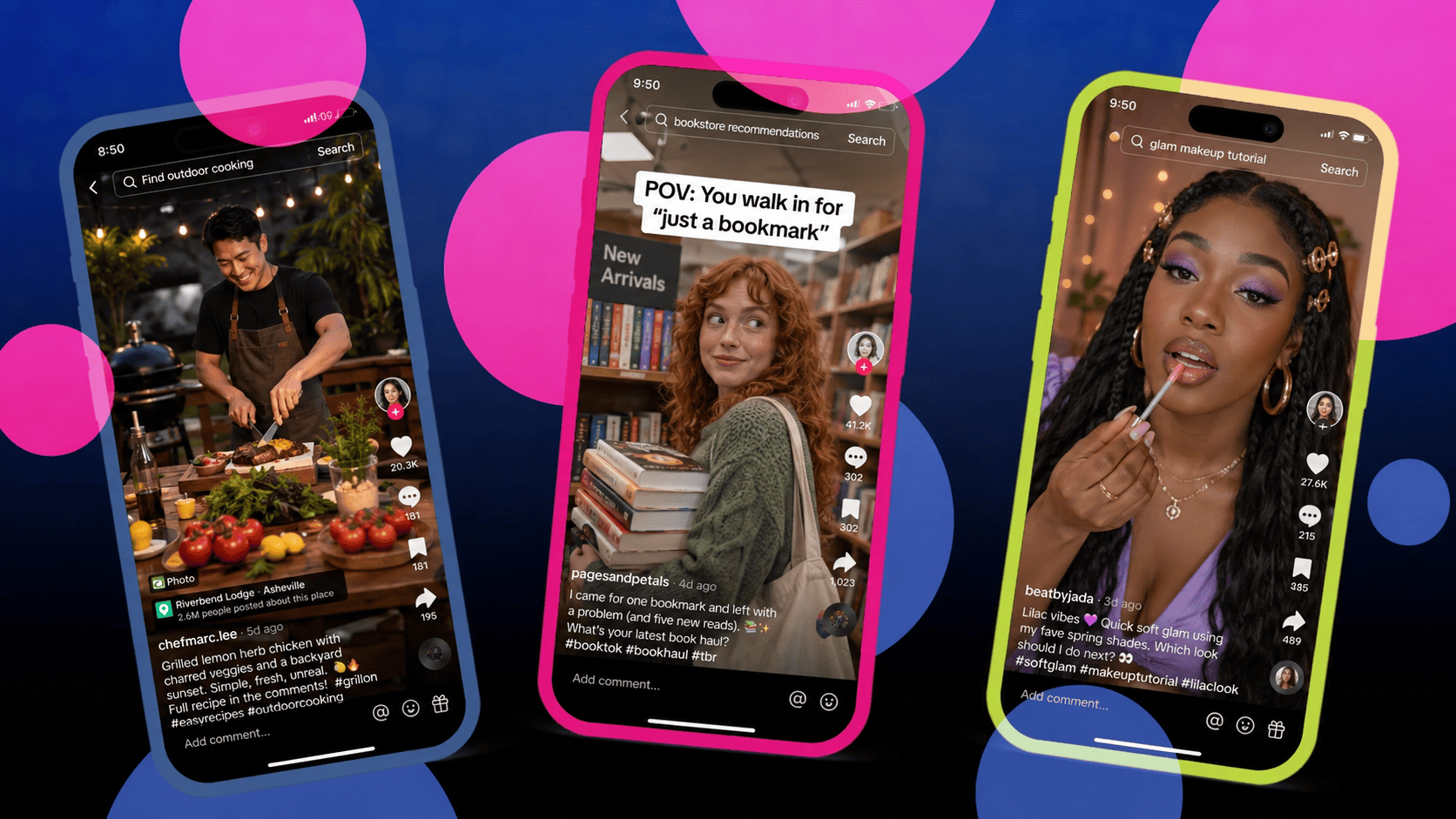
TikTok One now uses AI to interpret campaign briefs and recommend creators
Creator discovery is becoming an AI matching problem. At TikTok World '26, TikTok introduced Creator AI Search inside TikTok One, its platform for brands, creators, agencies and creative tools. The system interprets campaign briefs, analyses creator profiles and returns a curated list of relevant talent.
Why Creator Search Needed a New Model
Traditional influencer discovery depends heavily on filters such as follower count, location, category and average views. Those fields are useful but incomplete. A creator may be highly relevant to a game launch because of tone, audience culture or content format even when their category label is broad.
AI-based search can interpret the intent of a campaign brief. A brand could describe a cooperative mobile game for young adult strategy fans and receive creators whose content, audience and communication style match that context. The value is not simply faster search; it is the possibility of better semantic matching.
What Gaming Creators Should Optimise
As discovery becomes automated, creator profiles need clearer signals. A gaming creator should define the genres covered, platforms used, audience language, typical formats and the kinds of brand integrations they can produce. Consistent titles, descriptions and public portfolio examples make the creator easier for both humans and AI systems to understand.
Creators should also document commercial performance. Useful evidence includes click-through rates, code redemptions, wish-list additions, game installs, watch time during sponsored segments and examples of community participation. Follower count alone will be less persuasive when platforms can compare relevance and outcomes.
The Rise of Creator Content at Scale
TikTok also introduced Branded Buzz, designed to help advertisers generate large numbers of creator videos around a campaign. Combined with AI search, this points toward a task-based model: a brand defines the objective, the platform identifies suitable creators and many creators produce variations quickly.
For gaming launches, this can support genre-specific demonstrations, local-language content, character challenges and short tutorials. The risk is sameness. If every creator receives an identical script, the campaign may produce volume without credibility. Brands should define the message and compliance requirements while leaving room for each creator's voice.
AI-Generated Creative and Human Creators Will Coexist
TikTok is simultaneously expanding AI video tools in Symphony. This means brands will be able to combine synthetic product assets, automated creative optimisation and human creator content in one campaign workflow. The best use of AI is likely to be variation, localisation and production support, while creators provide trust, culture and interpretation.
What Brands Should Measure
Brands should evaluate Creator AI Search on campaign outcomes, not only time saved. Compare matched creators with manually selected creators using completion rate, qualified engagement, install cost, sales or brand-lift metrics. A good matching system should improve relevance and reduce wasted outreach.
AI will make creator discovery faster, but it will also reward creators who are clearly positioned. Gaming and entertainment creators should treat their profile, metadata and case studies as a structured commercial portfolio — because the first reviewer may increasingly be an algorithm.